
Virginia Beach offers a mix of coastal communities, suburban neighborhoods, waterfront living, planned developments, and quieter residential pockets throughout the city. From oceanfront condos and bayfront cottages to golf course communities, established suburban neighborhoods, and homes with larger wooded lots, Virginia Beach includes a wide variety of housing options and lifestyles across the city.
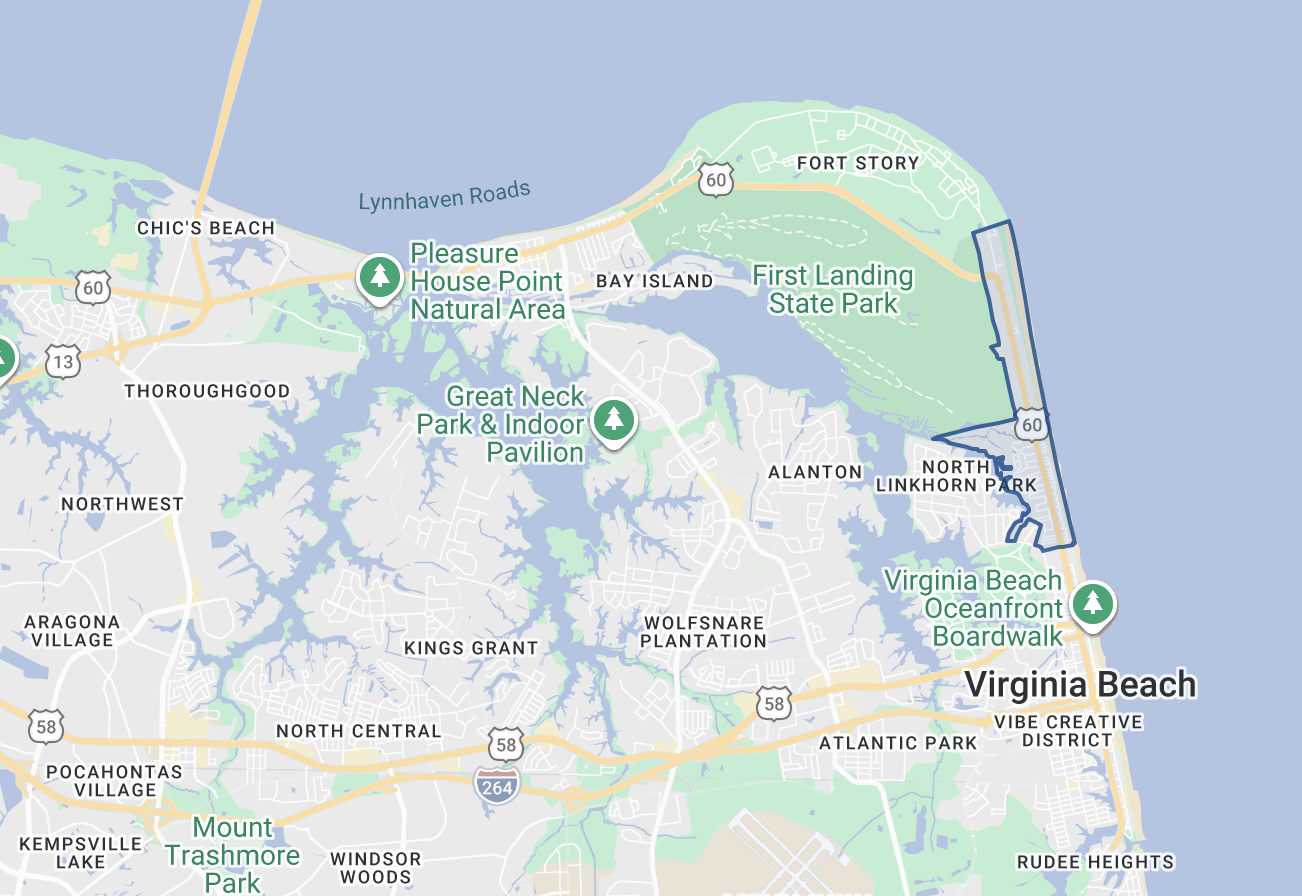
North End
-
Typical Homes
Oceanfront estates · beach cottages · luxury coastal homes · newer custom construction · duplexes · waterfront propertiesNearby Favorites
Virginia Beach Boardwalk access nearby · First Landing State Park · local coffee shops and restaurants along Shore Drive · beach access points throughout the neighborhood · bay and ocean outdoor recreationThings to Know
The North End is primarily residential and tends to feel quieter and less commercial than the main Oceanfront area. Home styles, lot sizes, and price points can vary significantly depending on proximity to the beach or water access. Flood zone considerations may apply in certain sections, and many homes are within walking distance to the ocean.Fun Fact
Many streets in the North End are named numerically by block, and locals often refer to locations by street number - like “the 70s” or “the 80s - instead of traditional neighborhood sections.
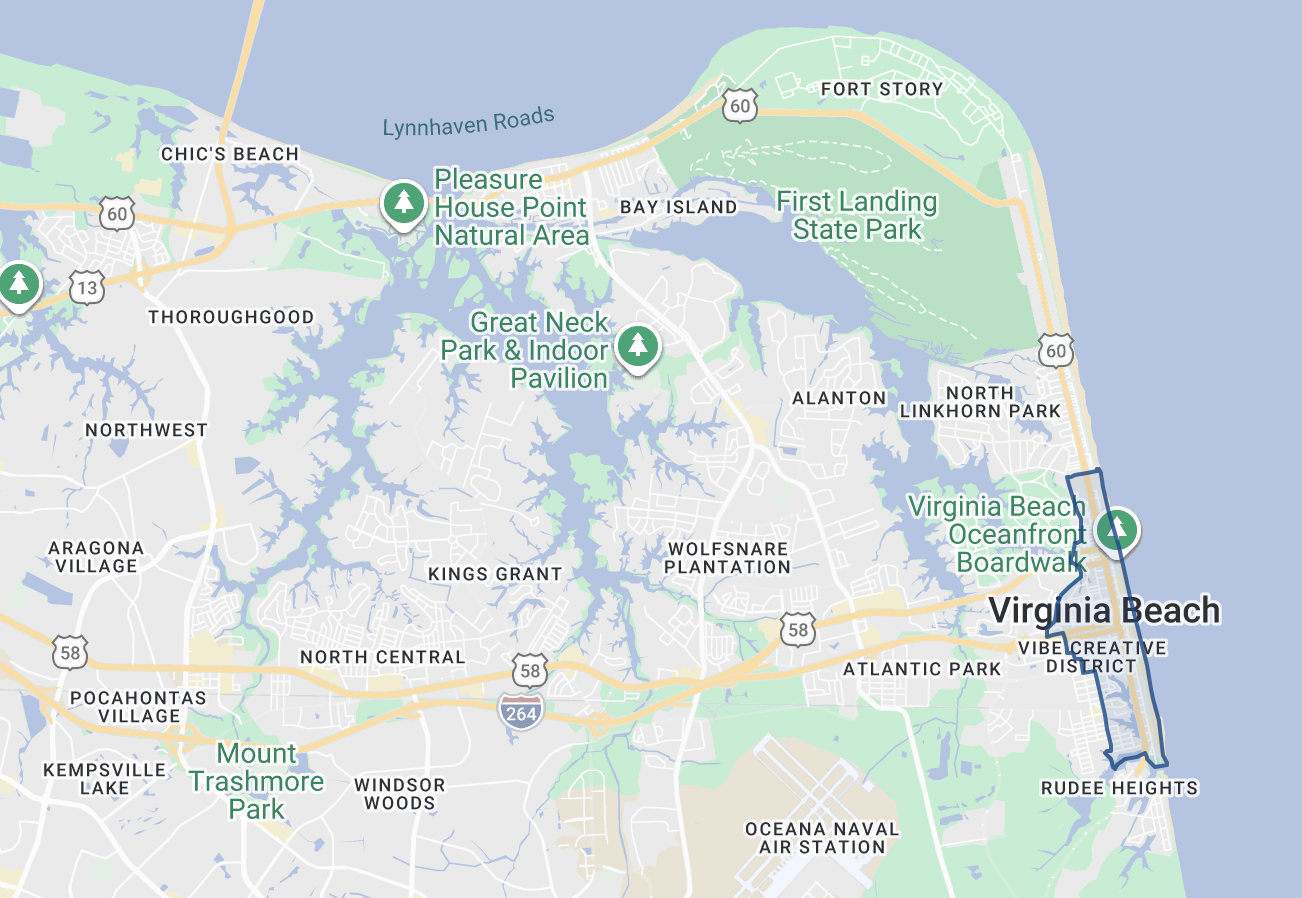
Oceanfront
-
Oceanfront condos · beach cottages · luxury high-rises · townhomes · newer coastal-style homes · apartments
Nearby Favorites
Virginia Beach Boardwalk · Atlantic Avenue restaurants and nightlife · Rudee Inlet · local coffee shops and breweries · beach access throughout the area · seasonal festivals and eventsThings to Know
The Oceanfront includes a mix of residential and resort-style living, so neighborhood feel, noise levels, parking, and activity can vary significantly depending on proximity to the boardwalk and tourist areas. Some sections feel highly active year-round, while others offer a quieter residential atmosphere just a few blocks away. Flood zone considerations and HOA structures may also apply depending on the property type and location.Fun Fact
The Virginia Beach Boardwalk stretches approximately three miles along the oceanfront and has been a major destination for visitors and locals for more than a century.
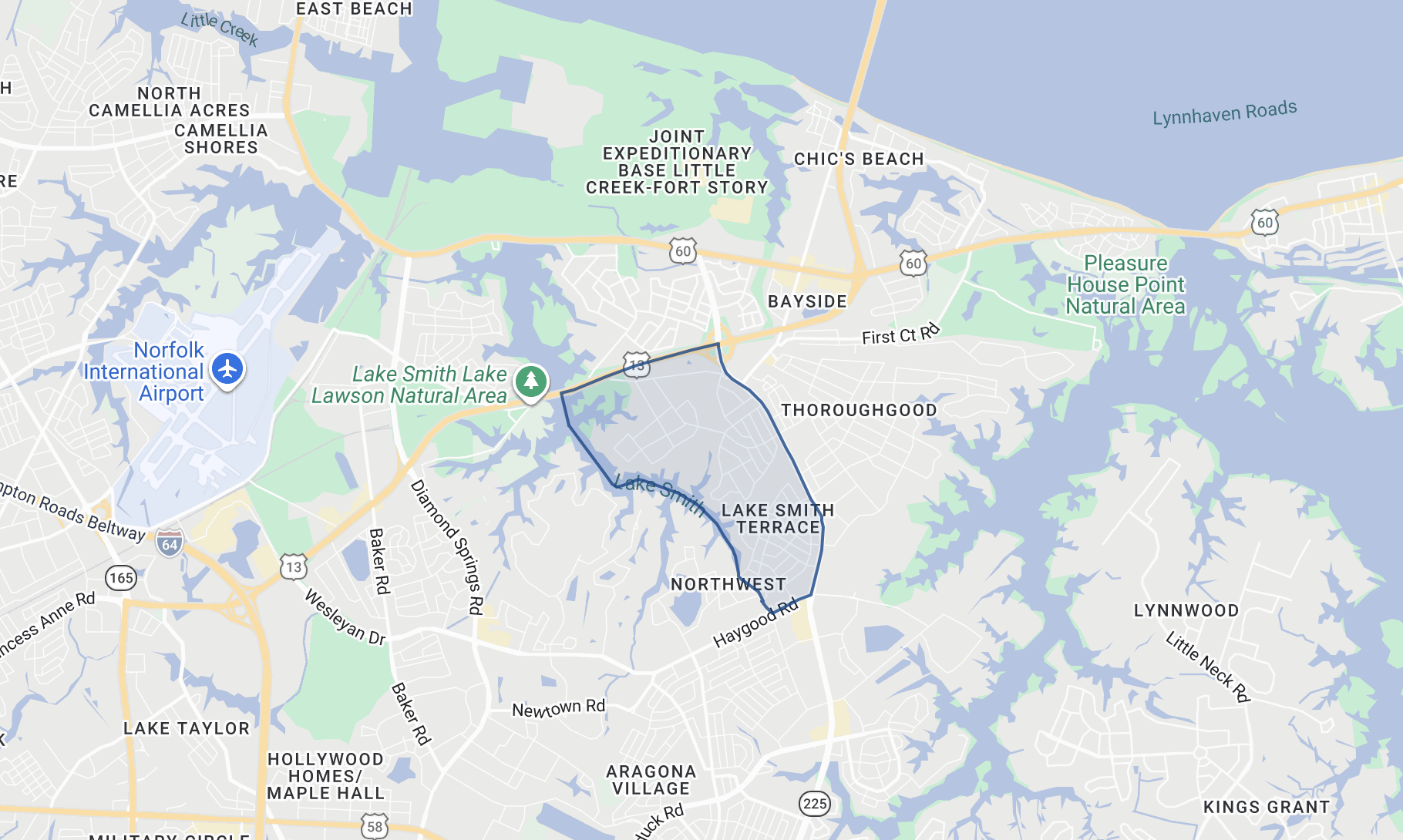
Lake Smith
-
Typical Homes
Traditional single-family homes · waterfront properties · brick ranch homes · newer custom homes · townhomes · homes on wooded lotsNearby Favorites
Lake Smith and Lake Lawson Natural Area · walking and kayaking access · nearby Shore Drive dining · Little Creek area access · local parks and trailsThings to Know
The Lake Smith area includes a mix of established neighborhoods and waterfront communities, so home styles, lot sizes, and flood zone considerations can vary depending on proximity to the water. Many neighborhoods offer a more tucked-away residential feel while still remaining convenient to shopping, dining, and major commuting routes throughout Virginia Beach and Norfolk.Fun Fact
Lake Smith and neighboring Lake Lawson are connected freshwater lakes that have become popular local spots for kayaking, paddleboarding, birdwatching, and fishing.
Ridgely Manor
-
Typical Homes
Traditional single-family homes · newer construction · townhomes · condos · waterfront-adjacent properties · homes with neighborhood amenitiesNearby Favorites
Neighborhood lakes and walking paths · nearby shopping and dining · Town Center access · easy interstate connections · local parks and recreation areasThings to Know
Ridgely Manor is a planned community made up of several smaller neighborhoods, so home styles, HOA structures, amenities, and price points can vary depending on the section of the neighborhood. Many homes were built in the late 1990s and early 2000s, and some areas include lakes, community spaces, or waterfront views throughout the development.Fun Fact
Ridgely Manor was designed around a network of lakes and landscaped common areas, which is why many streets throughout the neighborhood feature water views or walking paths nearby.
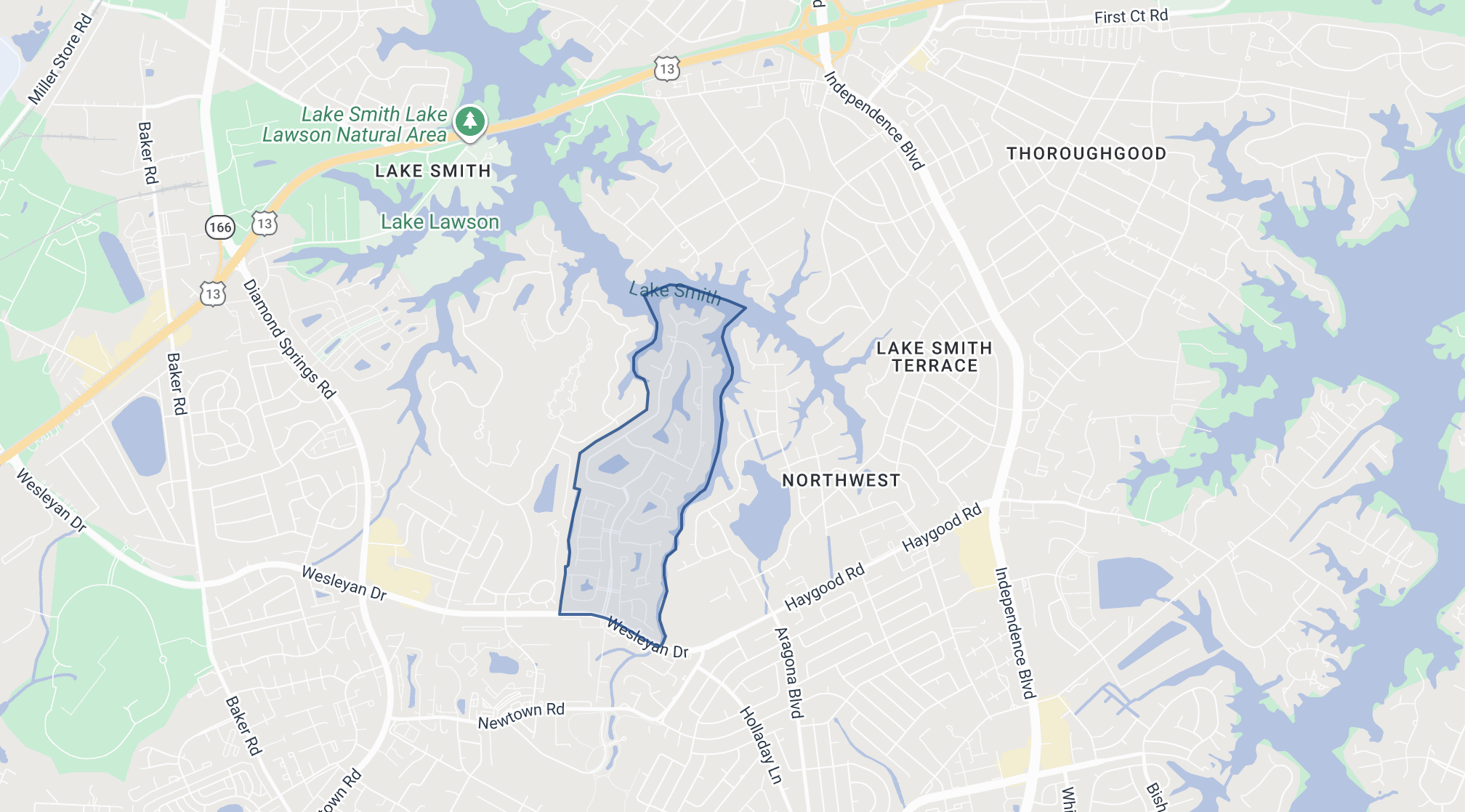
Green Run
-
Typical Homes
Townhomes · condos · traditional single-family homes · brick ranch homes · newer renovated properties · planned community neighborhoodsNearby Favorites
Mount Trashmore nearby · Virginia Beach Town Center access · local parks and recreation centers · shopping and dining throughout the Green Run corridor · convenient interstate accessThings to Know
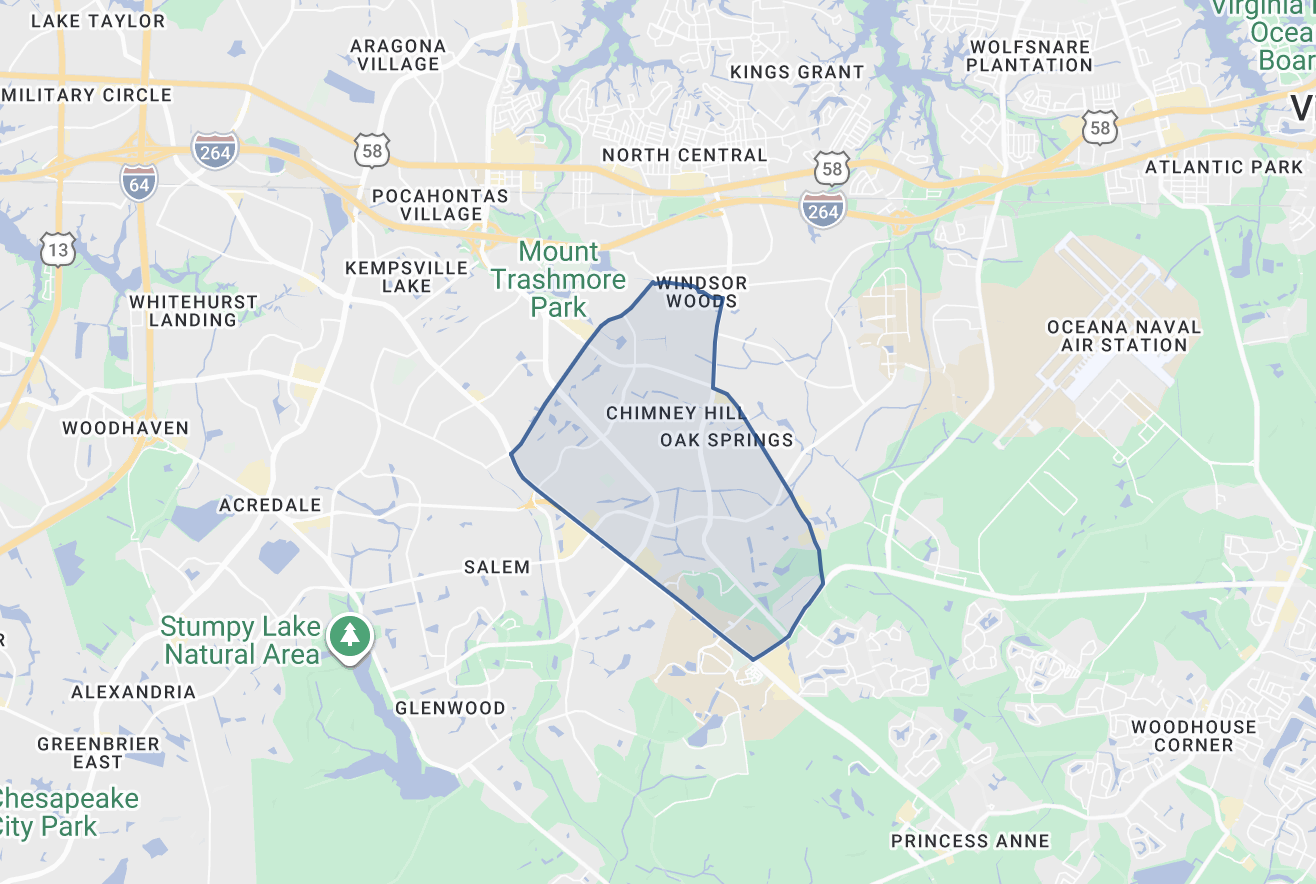
Green Run is a large planned community made up of several smaller neighborhoods, so home styles, HOA structures, lot sizes, and overall neighborhood feel can vary significantly depending on the section of the area. Many homes were originally built in the 1970s and 1980s, and the neighborhood’s central location provides relatively easy access throughout Virginia Beach.Fun Fact
Green Run was one of Virginia Beach’s earliest large-scale planned communities and played a major role in the city’s suburban growth during the 1970s and 1980s.
Birdneck
-
Typical Homes
Brick ranch homes · traditional single-family homes · newer custom homes · townhomes · renovated mid-century homes · waterfront-adjacent propertiesNearby Favorites
Virginia Beach Oceanfront access · Red Wing Park · Oceana area conveniences · local restaurants and coffee shops · nearby golf courses and walking trailsThings to Know
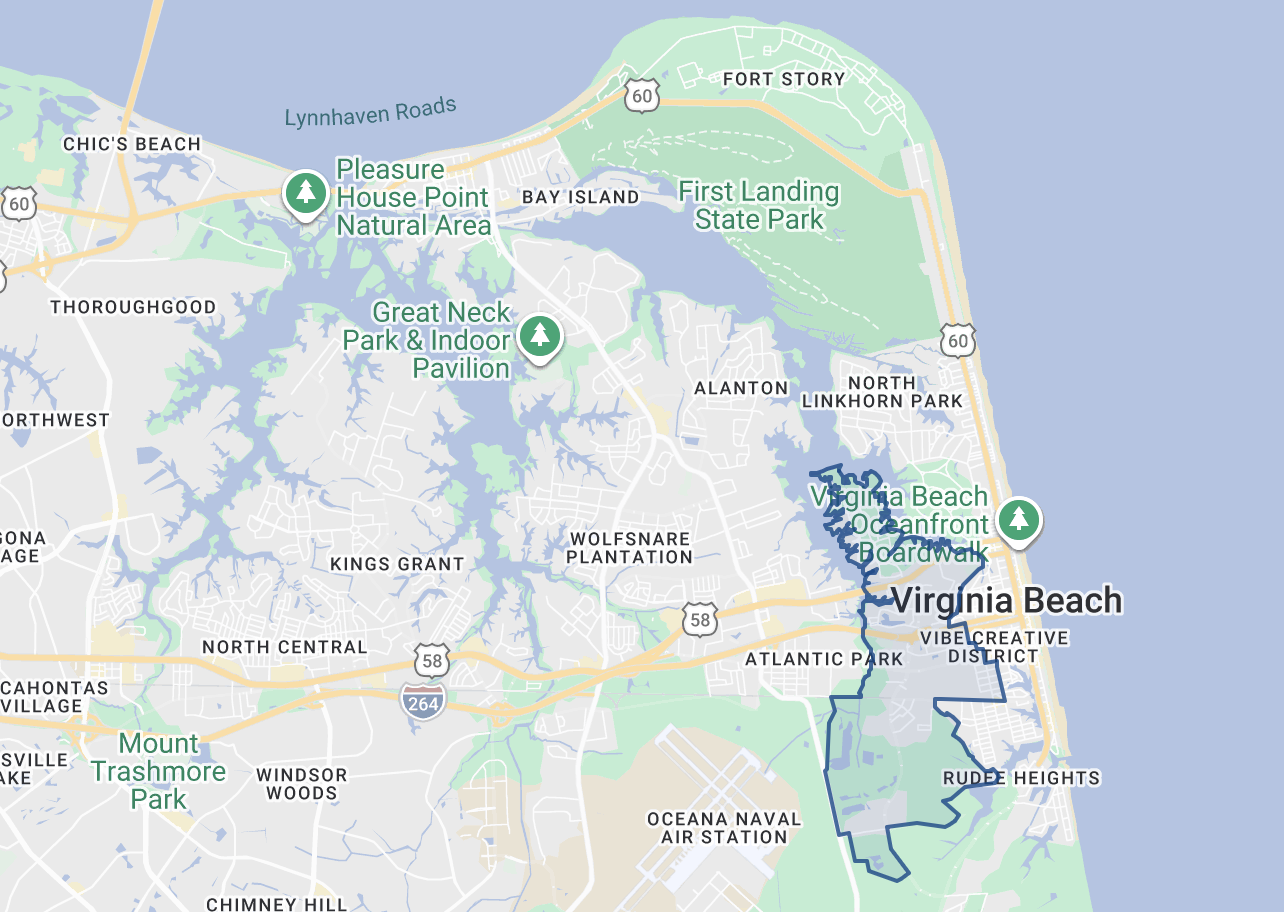
Birdneck covers several residential pockets throughout central Virginia Beach, so neighborhood feel, home styles, lot sizes, and flood zone considerations can vary depending on location. Some sections feel more established and suburban, while others offer quicker access to the beach, military bases, or major commuting routes.Fun Fact
The Birdneck area takes its name from Birdneck Road, one of the older historic routes connecting inland Virginia Beach communities to the Oceanfront long before the area became the resort city it is today.
Brigadoon
-
Typical Homes
Brick ranch homes · traditional two-story homes · split-level homes · renovated mid-century homes · townhomes nearby · established single-family neighborhoodsNearby Favorites
Mount Trashmore nearby · Town Center access · local parks and recreation areas · nearby shopping and dining · convenient interstate accessThings to Know
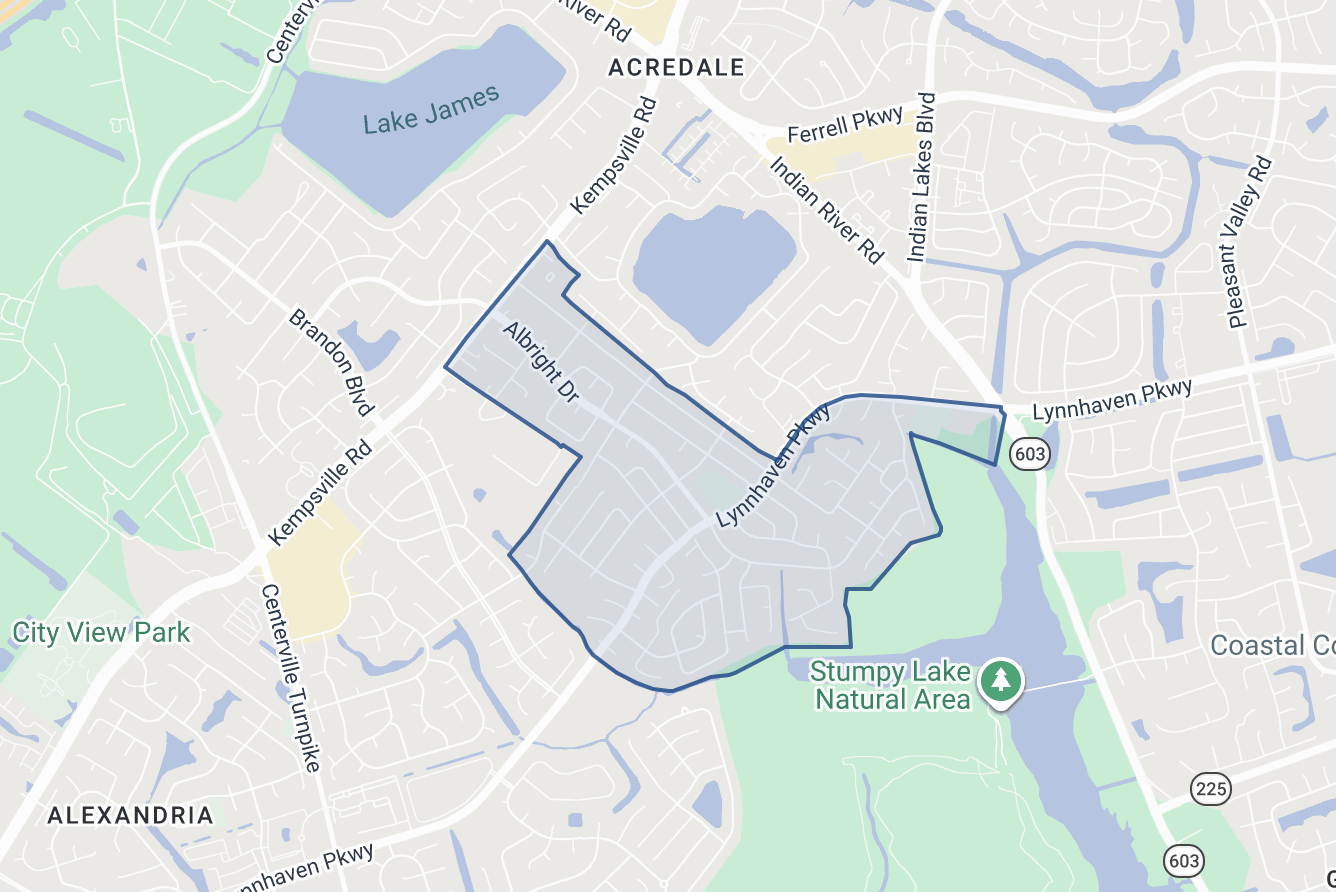
Brigadoon is known for its established residential feel, with many homes originally built during Virginia Beach’s suburban growth in the 1970s and 1980s. Lot sizes, updates, and home styles can vary throughout the neighborhood, with a mix of original homes and renovated properties throughout the area.Fun Fact
Brigadoon takes its name from the classic musical Brigadoon, and many nearby streets throughout the neighborhood follow similarly themed naming patterns from the era when the community was developed.